Before and after
This is the actual working method. The cases below are illustrative examples built to explain the method — they are not a specific client’s delivered work.
Hydrating serum — Japan market
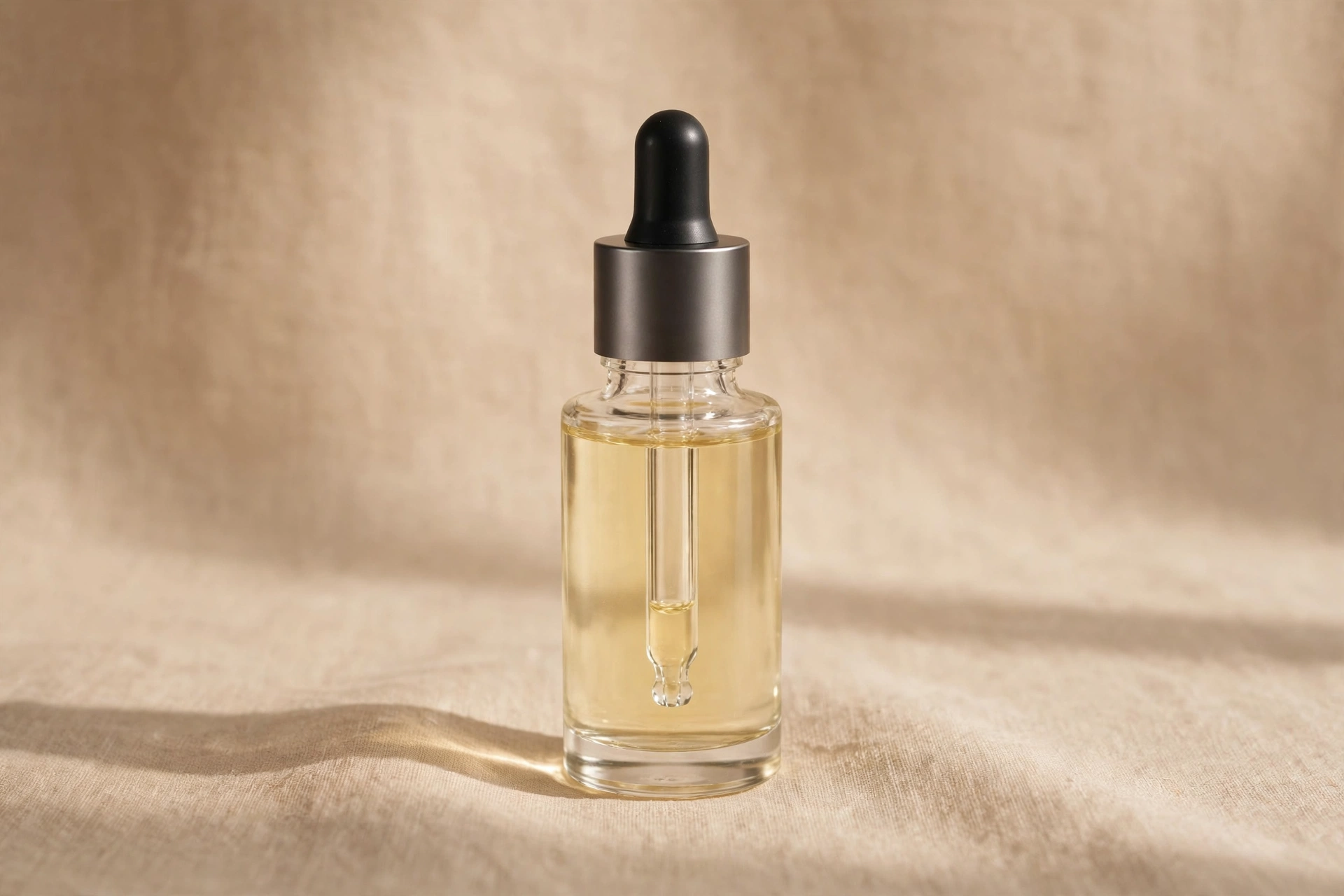
Before (literal translation)
“Powerful whitening removes spots and regenerates your skin.”
“Hyaluronic acid makes your skin younger.”
“Apply generously, morning and night.”
After (localized)
“Helps prevent spots and freckles caused by UV, and adds moisture to dry skin.”
“With hyaluronic acid (moisturizing ingredient) for a dewy feel.”
“Morning and evening after cleansing, spread a pearl-sized amount over the whole face.”
What changed
- Whitening and regeneration claims that breach the PMD Act were moved inside the permitted range.
- The ingredient is named with its local label and role (moisturizing ingredient).
- A vague “generously” became an amount buyers can picture.
Sunscreen — US market
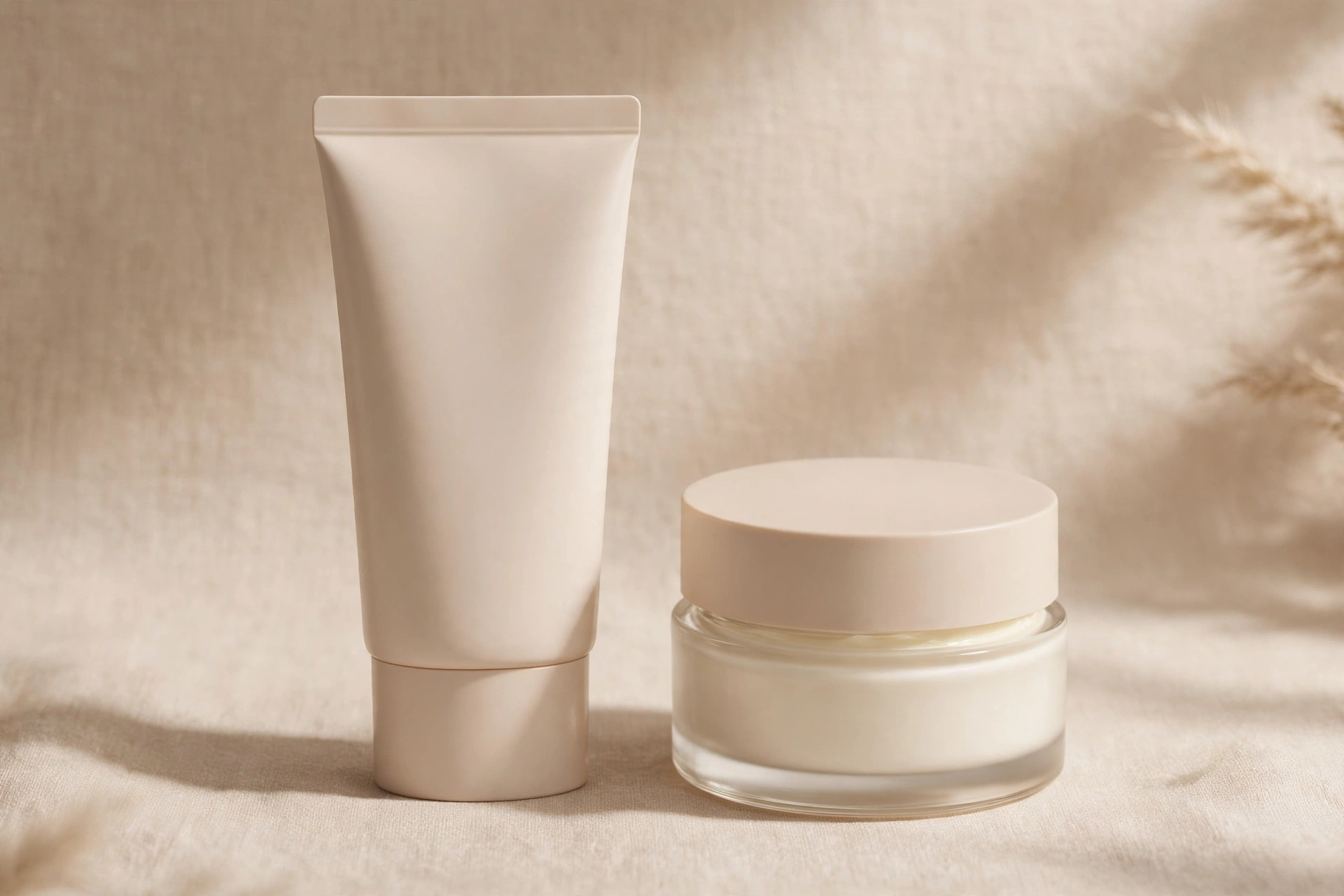
Before (literal translation)
“A pharmaceutical-grade sunscreen that blocks 100% of UV.”
“Absorbs instantly to protect your cells.”
“Never washes off, even when you sweat.”
After (localized)
“SPF 50+ / PA++++ — a daily sunscreen that spreads evenly over face and neck before you go out.”
“Light to spread with little white cast. Reapply after sweating or towel-drying.”
“We recommend reapplying after swimming.”
What changed
- Absolute claims like “100%” and “never” cannot be used under labeling rules, so they became factual statements.
- The spec buyers look for (SPF) leads, and usage scenes are concrete.
- Instead of inflated efficacy, useful information — when to reapply — was added.
Yuja (citron) tea — US market
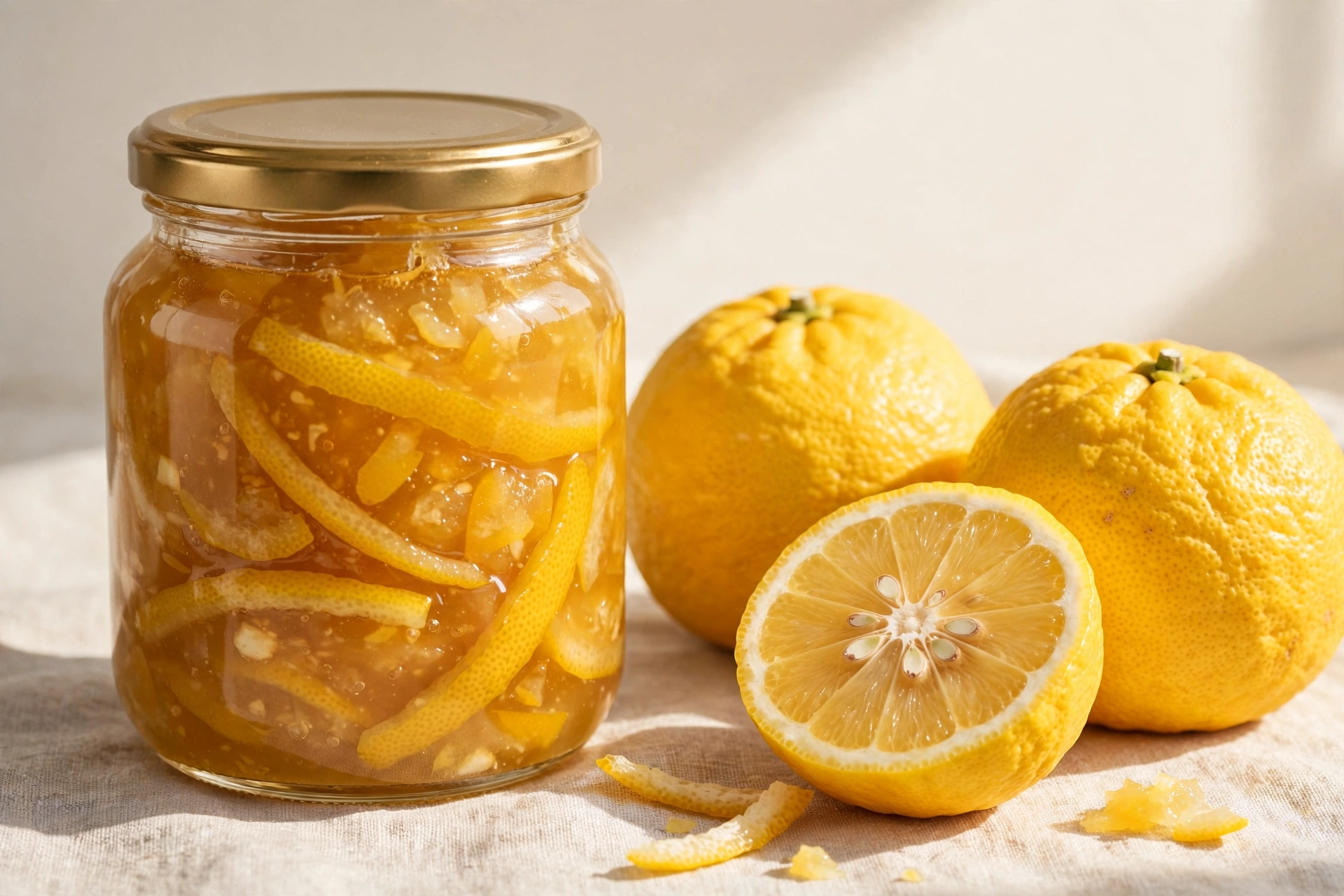
Before (literal translation)
“A health tea that cures colds and boosts your immunity.”
“Made with plenty of honey — sweet and good for your body.”
“Drink it three times a day, dissolved in hot water.”
After (localized)
“A traditional Korean fruit tea made from citron preserved in honey. Stirred into hot water, it becomes a fragrant citrus tea.”
“One 500 g jar — about 25 cups at 20 g of preserve per cup.”
“Stir 2–3 spoonfuls into 200 ml of hot water. Refrigerate after opening.”
What changed
- Disease claims like “cures colds” and “boosts immunity” cannot appear on food labels, so they became a factual product description.
- Vague “good for your body” became verifiable information — jar size and cups per jar.
- Dosage-like instructions (“three times a day”) became preparation and storage directions.
A promise about samples
Samples are illustrative. Real deliverables are written from your product materials, and numbers or certifications without a source are never added, in any case.